

Aggression is a common behavior in toddlers, and it can be challenging for parents to manage. As a child behaviorist, I have seen many cases of toddler aggression, and I understand how frustrating it can be for parents. In this article, I will provide some tips for dealing with toddler aggression.
- Understand the Triggers
Understanding the triggers for your child’s aggression is the first step in managing it. Aggression can be triggered by various factors, including hunger, fatigue, frustration, or changes in routine. Keep a journal to identify patterns in your child’s behavior and possible triggers for their aggression.
- Teach Emotional Regulation
Teach your child emotional regulation skills. Help them identify and express their emotions in a healthy way. Encourage them to use words to express their feelings instead of resorting to physical aggression. Provide positive reinforcement when your child uses positive coping strategies.
- Model Positive Behavior
Model positive behavior towards your child. Use positive reinforcement when your child displays positive behavior. Demonstrate calmness and positive coping strategies during times of stress.
- Provide Positive Attention
Provide your child with positive attention. Praise and reward positive behavior, and spend quality time with your child. This can help reduce attention-seeking behavior and reduce the likelihood of aggression.
- Create a Safe Environment
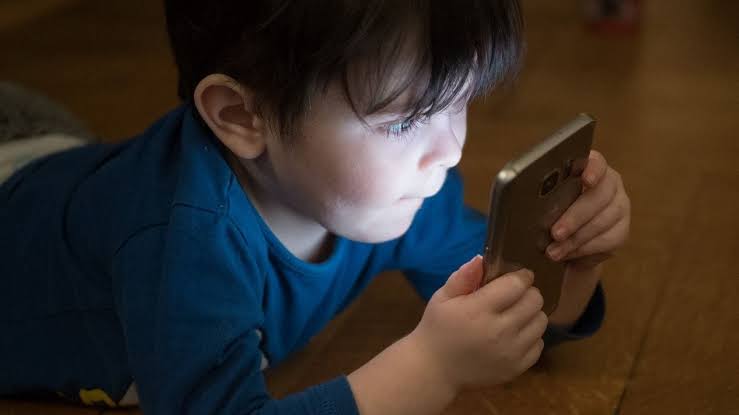
Create a safe environment for your child. Remove potential triggers for aggression, such as access to objects that can be used as weapons or exposure to violent media. Create a structured and predictable routine for your child, which can help reduce stress and anxiety.
- Seek Professional Help
If your child’s aggression persists or becomes severe, seek professional help. A child behaviorist or therapist can provide guidance and support in managing your child’s behavior. Additionally, they can help identify any underlying conditions, such as ADHD or anxiety, that may contribute to your child’s aggression.
In conclusion, managing toddler aggression can be challenging, but it is possible. Understanding the triggers, teaching emotional regulation skills, modeling positive behavior, providing positive attention, creating a safe environment, and seeking professional help can all help manage your child’s behavior. Remember to be patient, consistent, and positive in your approach. With time and support, your child can learn to manage their emotions and display positive behavior.