
The Impact of Screen Time on Young Children
By Ofra Sharp and Ma’ayan Hamilton / May 2024
Introduction
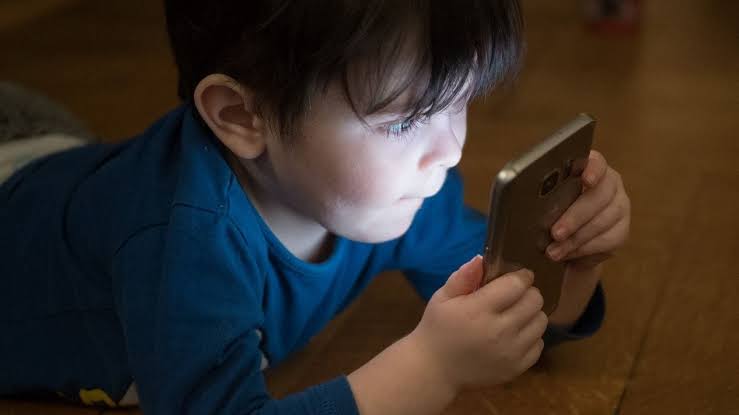
In today’s digital age, the prevalence of screens such as smartphones, TVs, iPads, gaming consoles, and other technological devices is everywhere.
The easy access to these various tech devices poses many risks for young children. Research and experts have highlighted concerns about the impact of excessive screen time on children’s development, imagination, and overall well-being.
The first seven years in a child’s life is the time when sensory and motor skills mature, and through play a child works to bring integration of movement and sensory experiences. This development is essential as the basis for concentration, cognitive development, and social skills. The effects of unlimited and excessive screen time has become increasingly concerning when we consider the negative impact that it has on the normal development of children.
Screen Addiction in Children
Screen addiction in children is becoming more prevalent. The problem that many parents are not aware of, is that it is very easy for a child to become addicted to a screen. In order to understand how this happens so easily, let us consider the dopamine pathway in the brain, and how this drives behavior.
Dopamine is the neurotransmitter responsible for motivation and focus, and it also plays an important role in driving and reinforcing behavioral habits. The stimuli produced by screens activates the dopamine reward system in the child’s brain, affecting the frontal cortex and creating a dopamine loop similar to those found in the brains of nicotine or cocaine users. The sad truth is that tech companies purposefully make use of this knowledge in order to make their apps and games more addictive, to drive users to use them more.
An example of how easy it is for a child to become engaged in this dangerous dopamine reward process can be seen when a child plays any simple smartphone game in which they are ‘rewarded’ with points or coins. Each ‘reward’ activates the release of a small amount of dopamine, resulting in a ‘feel good’ moment for the child. But this feeling doesn’t last long, and almost immediately the brain longs for another dose of dopamine, most easily gratified with another point in their game, which then drives their behavior to continue playing.
Over time, the brain becomes tired of the high flow of dopamine, and it will need to downregulate. The result of this is that the child will then require more dopamine to reach the same previous level of pleasure. They will begin to intentionally seek out high dopamine activities, both on and off-screen.
As the screen-addicted child grows into a teenager and adult, the drive for more dopamine hits increases and may result in them becoming addicted to social media, video games, or internet surfing. Seeking out dopamine high activities off screen may follow, and can become problematic when done excessively, as seen in adults who engage in gambling, drugs, and excessive alcohol consumption.
Screen Time and Sleep
Screen time can affect the length and quality of a child’s sleep by over-stimulating the brain and exposing them to too much blue light.
- Brain overstimulation
When a child’s brain receives stimulation, through watching television or being on their screen playing games, it will remain active. If a child’s brain is active when they are trying to fall asleep, it will make it very hard for them to fall asleep, as they simply can’t ‘shut off’. If they do eventually fall asleep, they are also less likely to fall into a deep sleep and more likely to remain restless, sleep lightly, or struggle with nightmares
- Blue Light
The full spectrum of light consists of various light wavelengths. Blue light is a short wavelength type of light that promotes alertness and performance. Blue light is the most important regulator in our sleep-wake cycles. The screens of televisions, smartphones, tablets and computers all produce artificial blue light. Blue light suppresses the production of melatonin, a hormone that promotes feelings of sleepiness and one that is essential in regulating our sleep-wake cycles. We are naturally exposed to blue light through the sun and other natural sources. When a child uses technological devices, they are being exposed to unnatural sources of blue light, at times of the day that may not be in line with their natural cycles. The use of a screen before bedtime exposes a child to blue light which suppresses the production of melatonin, and interferes with the natural body cycle by making the child feel less sleepy when they should be going to bed. This can lead to them feeling restless and being unable to fall asleep.
Impact of Technology on Children’s Imagination
Screen time is a form of passive entertainment which does not stimulate critical thinking and imagination in children. Screen time does not encourage active engagement or creative abilities.
One of the dangers of passive entertainment from screens is that children miss out on vital opportunities to learn how to engage and play with other children. This can be noticed in the play school environment when children struggle socially and are restless and unable to focus on one activity at a time. Since excessive screen time deprives children of opportunities to engage in practical activities, they often lack confidence in their abilities and feel insecure about engaging in new tasks.
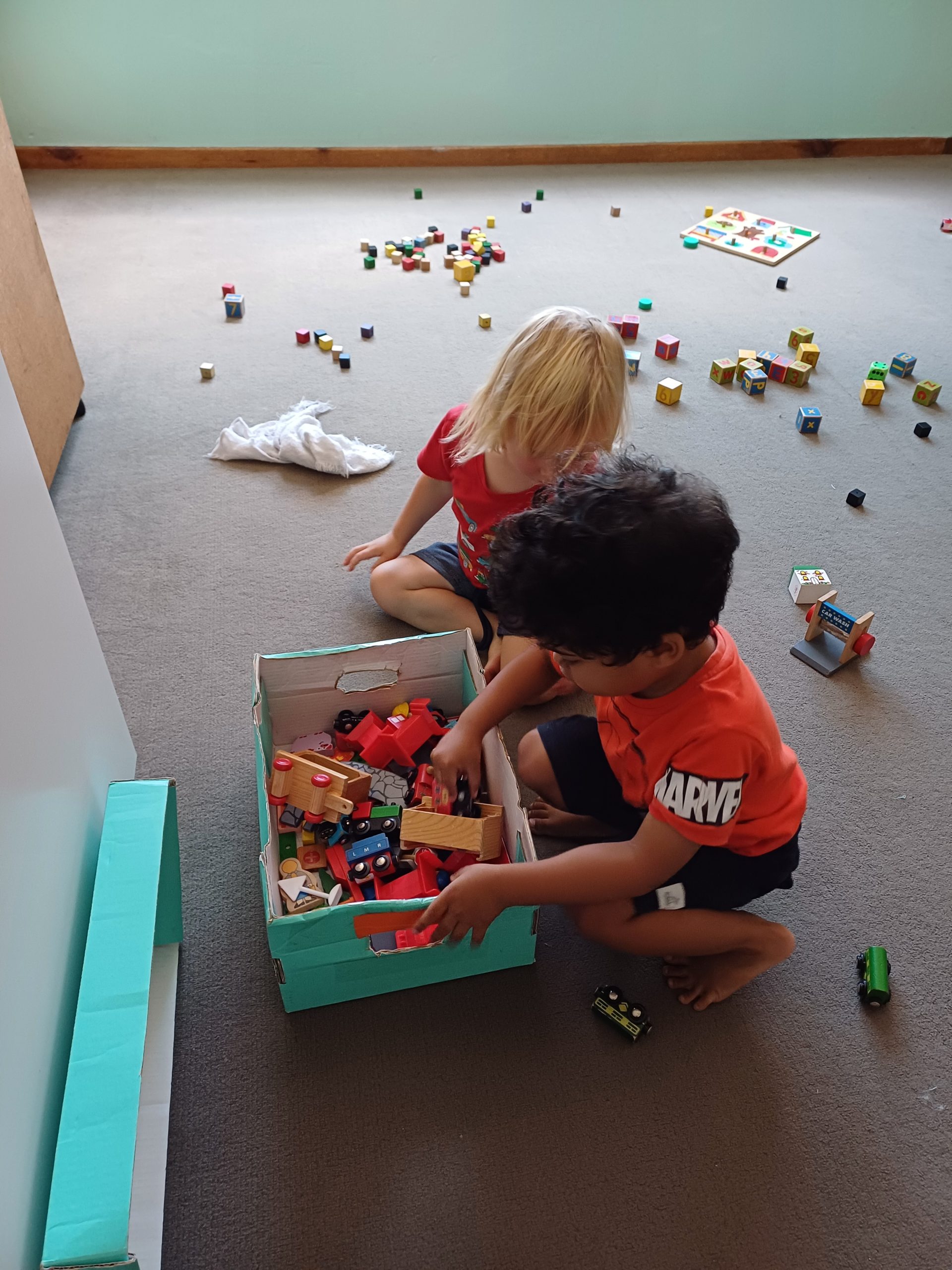
Screens often serve as convenient fillers for children’s time, providing constant stimulation and entertainment. Excessive screen time can limit children’s creativity and play initiation by depriving them of opportunities to engage in unstructured play, which is crucial for developing imagination, problem-solving skills, and social interactions. When screens dominate a child’s free time, there is less room for spontaneous and imaginative play to flourish.
The prevalence of technological devices has also contributed to a culture of immediate gratification, where children are accustomed to instant entertainment and quick rewards. This can reduce children’s tolerance for boredom and their ability to engage in activities that require patience and persistence.
Screens tend to dictate the content and pace of activities, leaving little room for children to explore their own ideas and creativity. This lack of autonomy and self-directed play can hamper the development of critical thinking and problem-solving skills in children.
Negative Effects of Screen Time on Child Development
If the concerns around screen addiction, as well as the negative impact of screen time on sleep cycles is not enough, there is increasing evidence of the negative effects of screen time on various aspects of a child’s development:
- Impaired development of speaking and language skills
- Reduced capacity for visual attention and eye movements
- Reduced ability to read faces and learn appropriate social skills, both of which are fundamental to the development of empathy
- Reduced reading proficiency and ability
- Negative effects on behavior as children are more likely to copy or act out what they are exposed to when on their screens (such as violent language and behavior)
Imagination and Unstructured Play
When children spend time on screens, they are being denied that time to experience boredom and engage in unstructured play.
Allowing children to experience boredom can enhance their creativity and imagination. When children are not constantly entertained by screens or adult-directed activities, they are more likely to tap into their imagination to create their own fun and games.
Unstructured play allows children to develop important skills such as problem-solving, decision-making, and creativity. It fosters independence, self-regulation, and social skills as children learn to navigate play scenarios without adult intervention.
Balancing structured activities with free play is essential for children’s development. Excessive scheduling and lack of free time can hinder children’s ability to explore, experiment, and express themselves independently. Providing children with freedom to play and imagine leads to better emotional, cognitive, and social development.
Screen-free Downtime for Children
Screen time should never replace quiet downtime for children. Downtime for a child is time for them to rest and recharge their minds and bodies.
Without downtime, children run the risk of becoming stressed and anxious, often leading to behavioral issues such as lashing out physically or verbally, or having difficulty concentrating on tasks or activities.
Children need downtime to decompress. Downtime can take the form of reading quietly in bed, listening to calming music, or even having a nap.
Conclusion – Parents Role in Managing Screen Time
As parents, it is important to manage your child’s screen time. Parents and caregivers are encouraged to:
- Set boundaries and establish limits on screen usage.
- Encouraging alternative activities such as outdoor play, arts, and crafts.
- Monitor all content and always be aware of what your child is exposed to.
- Ensure adequate quality family time with meaningful interactions.
- Lead by example and limit your own screen time, especially when in the presence of your child. Children learn more from what they see than from what they are told to do.
Parents play a vital role in mitigating the negative effects of excessive screen time on their children. By understanding the risks associated with unrestricted screen exposure, parents can take proactive steps to manage and monitor their child’s screen time effectively. It is essential to prioritize imaginative play, unstructured activities, and ample reflective time in a child’s daily routine.
About the authors
Ofra Sharp
Ofra Sharp is the founder and owner of Little Acorns PlayGroup and Time2gether Activity Workshops. Ofra has many years of experience working with children of different ages, and their families. Ofra has a deep knowledge and understanding of the importance of early childhood development. Her qualifications include:
FDE Junior Primary (CCOE, UCT)
Advanced Play Therapy (Red Shoe)
Counselling 1 and 2, and trauma debriefing certificates (FAMtrac)
Ma’ayan Hamilton
Ma’ayan is a co-owner of LIttle Acorns PlayGroup where she is also involved as a teacher assistant. Ma’ayan qualified with a Bachelor of Science in Occupational Therapy in 2008, after which she furthered her studies as a TRE provider. Ma’ayan has a deep understanding of early childhood development, as well as the psychosocial needs of young children. Ma’ayan has three children of her own and has many years of hands-on experience with young children. Her qualifications include:
B.Sc. Occupational Therapy (University of Cape Town)
TRE provider (TRE Global Certification Training)