
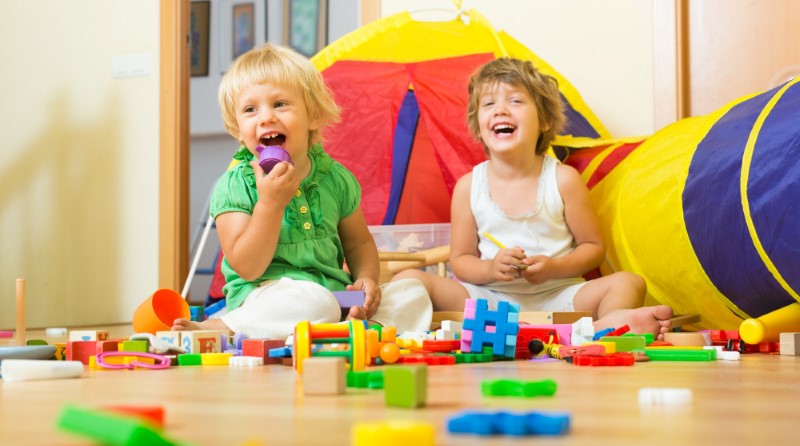
Playtime is an essential part of every toddler’s day. Not only is it a fun and enjoyable way for children to spend their time, but it also plays a critical role in their development. As a child behaviorist, I have seen firsthand the positive impact that playtime can have on a toddler’s physical, cognitive, and emotional growth. In this article, I will explore the importance of playtime for toddlers and offer some tips and ideas for parents to make the most of their child’s playtime.
Physical Development
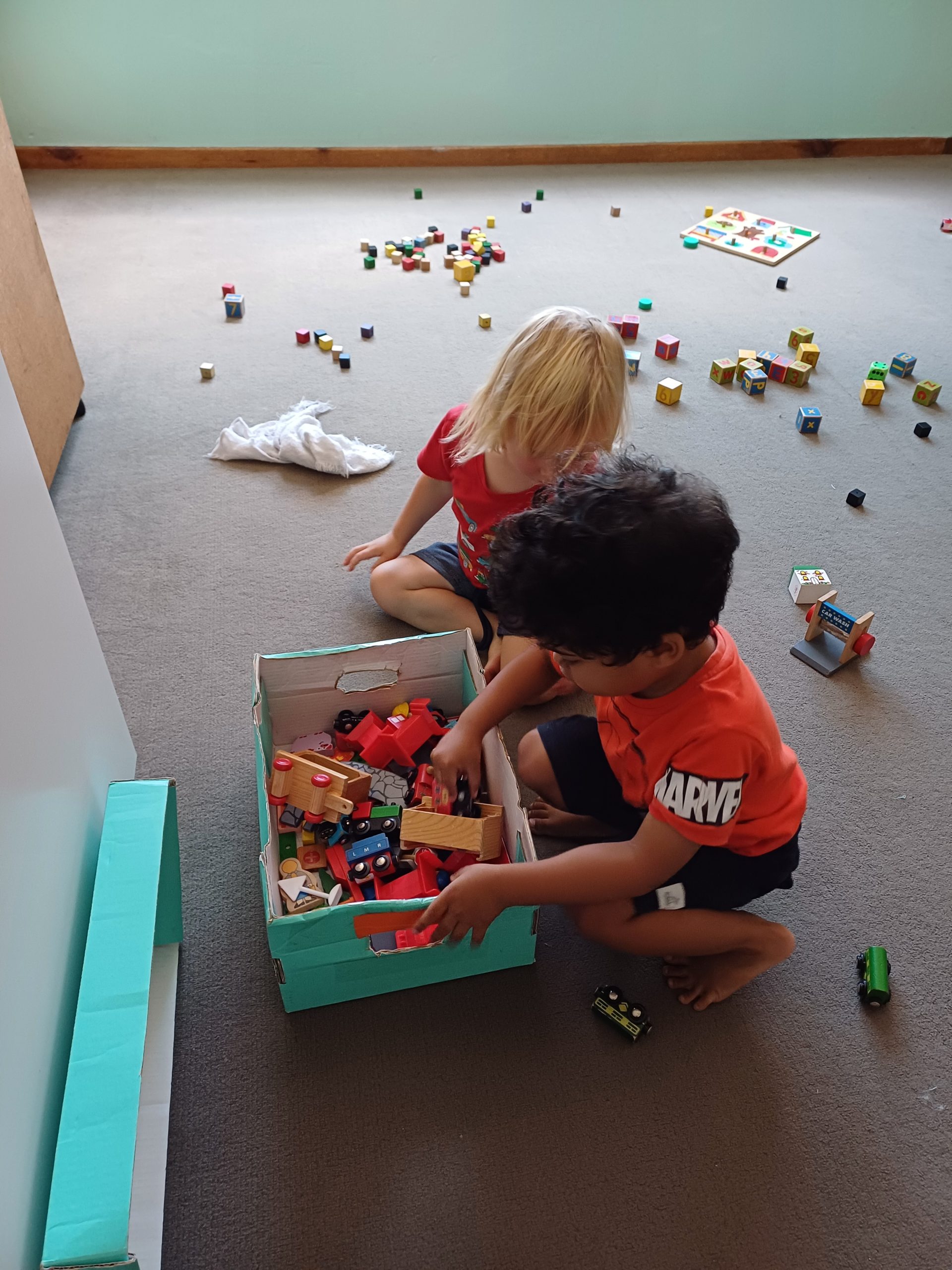
Playtime is an excellent way for toddlers to develop their physical skills, including gross and fine motor skills. When playing, children are often running, jumping, climbing, and exploring their surroundings, which helps them develop their gross motor skills. Fine motor skills, such as hand-eye coordination and dexterity, can also be developed through play, such as building with blocks, coloring, or playing with puzzles.
Cognitive Development
Playtime can also help toddlers develop their cognitive skills, such as problem-solving, creativity, and imagination. For example, playing with blocks or building toys can help children learn spatial awareness and problem-solving skills. Imaginative play, such as playing make-believe games, can help children develop their creativity and imagination.
Emotional Development
Playtime also plays a critical role in a toddler’s emotional development. Through play, children learn to express and manage their emotions, such as frustration, anger, and excitement. Play can also help build self-esteem and confidence as children explore and discover new things.
Tips and Ideas for Parents
As a parent, there are several ways you can encourage and facilitate playtime for your toddler. Here are a few ideas:
- Make playtime a part of your daily routine. Set aside dedicated time for play each day.
- Provide a variety of toys and activities for your child to explore. This can include things like building blocks, puzzles, balls, stuffed animals, and more.
- Get down on the floor and play with your child. This will not only provide an opportunity for bonding but can also help your child develop their social skills.
- Encourage imaginative play by providing dress-up clothes, dolls, and other toys that encourage role-playing and creativity.
- Take your child outside to play. This can include going to the park, playing in the backyard, or taking a walk around the neighborhood.
In conclusion, playtime is a critical component of a toddler’s growth and development. Through play, children develop their physical, cognitive, and emotional skills, which are essential for their overall well-being. As a parent, it is essential to provide opportunities for play and to encourage and facilitate playtime for your child. So, next time you’re looking for something to do with your toddler, consider the many benefits of playtime and get ready to have some fun!