
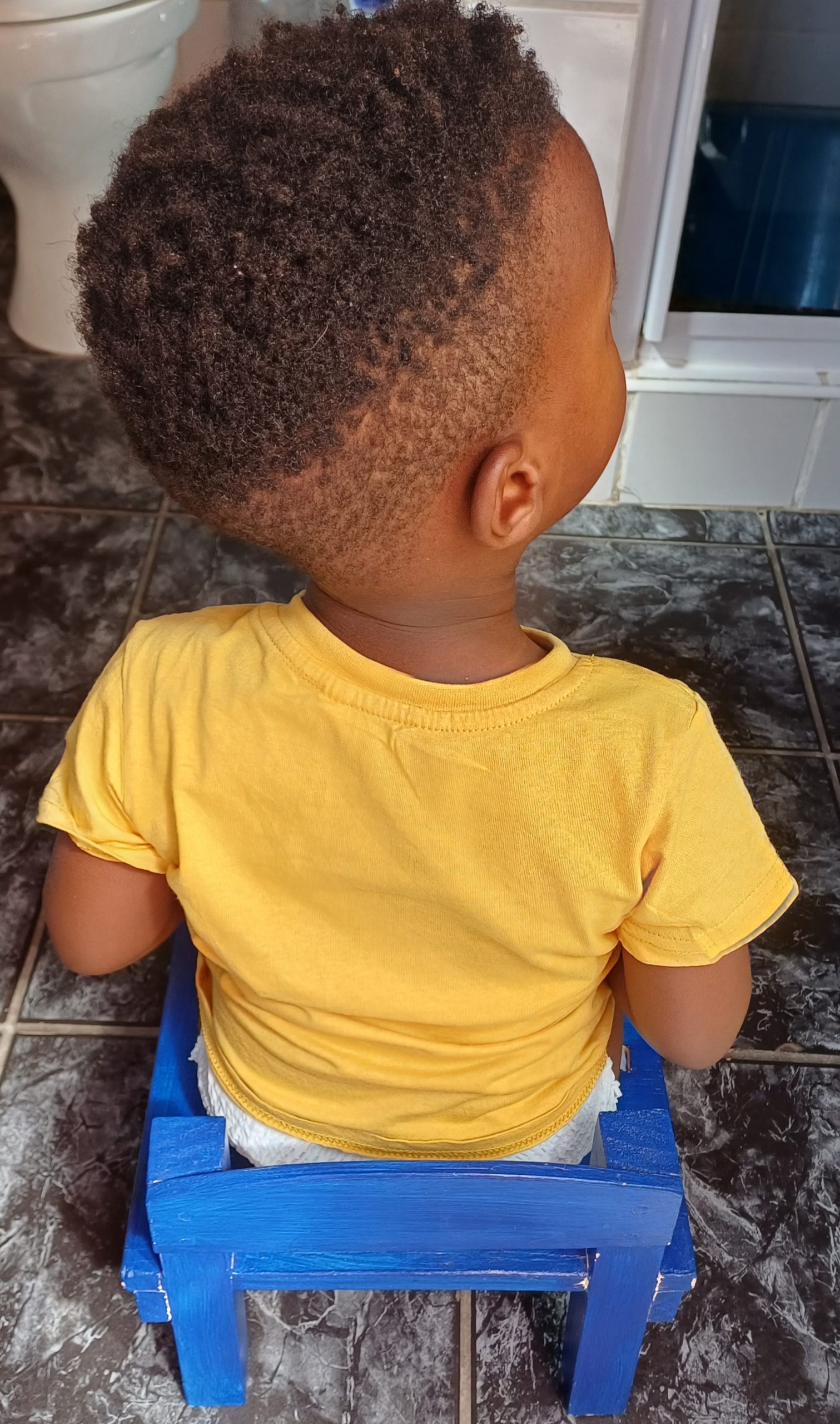
Tips for Toilet Training Your Toddler
By Ofra Sharp and Ma’ayan Hamilton / December 2023
In this blog we will unpack the process of toilet training. We will start by looking at the set of skills required in order for a toddler to be able to use the toilet successfully. We will then consider how to know when your child is ready to use the toilet or potty. Finally, some top tips for successful potty training are discussed, as well as common problems that arise and how to address these.
In this blog, we use the terms ‘toilet training’ and ‘potty training’ interchangeably. When engaging in the process of toilet training, you may choose to buy an adapted toilet seat for your toddler, or you may decide to invest in a potty that you place in the bathroom next to the toilet. Choose what works best for you and your home.
Introduction
Potty training needs to be relaxed and easy. As a parent, you should never put pressure on your child to perform, or get it right when you think they should. Follow their cues and let your child set the pace. This will ensure that the whole process goes more smoothly and successfully for everyone.
Research in child development shows that the average child does not achieve reliable daytime bladder and bowel control until two and a half or three years of age, and that nighttime control comes between the third and fourth birthdays for most children. Keep that in mind to help manage your expectations.
Although all children differ in their sensory system and motor control development, around two years of age is generally a good time to begin to prepare your toddler for toilet training. The process of daytime toilet training usually takes between 2 weeks and 6 months, and mastering nighttime control can take an additional 6 months to 1 year, or even longer.
Summer Holidays – a great time to start!
The summer holidays are a great time to start potty training. It is much warmer, and if you are spending time at home, you can let your child run around completely bottomless, or just with some loose clothes.
The idea is to let your child be without a nappy, and preferably even without underwear (as the tightness of underwear can mimic the sensation of the nappy, which can be confusing for a child). Children who don’t wear a nappy or tight clothes while toilet training will usually become aware of their bladder and bowel movements sooner than those who always have nappies on.
Being at home for most of the day takes off the pressure and concerns about accidents happening, which would draw more attention in public. It also allows you to leave your child without a nappy for most of the day, which is a necessary part of the toilet training process.
A quick look at what you are expecting of your child
Being able to successfully use the toilet or potty requires physical awareness, self control and a degree of mastery of one’s body and movements. We do not believe that parents should rush the process or feel pressure to get their children to start toilet training until the child shows the necessary signs of readiness.
You may have heard that toilet training is a difficult time, but remember that most difficulties are as a result of trying too early and expecting the impossible from their toddler.
Let’s have a quick look at the expectations and requirements of being able to use a potty or toilet:
- Your child must understand what you want them to do (wee and poo in a toilet or potty) – cognitive understanding
- Your child must be able to recognise the sensation before he is actually having a bladder or bowel movement (not just during) – physical awareness
- With enough time to spare, your child must make the connection between their physical sensation and the action required (get to a bathroom)
- Your child must then be able to get themselves to the nearest bathroom – gross motor skills
- Your child must be able to remove their clothes and underwear and sit on the toilet or potty – fine and gross motor skills
- Your child must be able to relax their sphincter muscles and let out the urine or have a bowel movement while sitting on the toilet or potty – physical awareness and control of bodily functions
As you can see, this is a complex set of skills!
How do I know if my child is ready to potty train?
The first sign that your child might be ready to potty train is when they begin to show awareness of their bowel and bladder movements. This is an essential part of the process. If your child is not aware of the sensations related to bladder and bowel movements, then they will not be able to realise the sensation of just before a bladder or bowel movement.
Your child may start telling you what they have just done in their nappy, or they may even tell you what they are about to do. Some children will try to find a private space during bowel movements. Some children may also keep pulling their nappy off, especially when it is wet or soiled.
These are all signs that your child is aware of the sensations before, during and after weeing and pooing, which is an essential starting point for the process.
Usually children are ready around the age of two years old because they are more in control of their bodies. The nerves and muscles required to control their bladder and bowels are more developed. It is necessary for children to have reached this level of development before they are capable of toilet training.
8 Top Tips for Successful Potty Training
If you have decided that your child is now physically showing signs of readiness, here are some top tips to make potty training go more smoothly and successfully.
1. Make it enjoyable
Be playful and positive throughout the potty training process. Give your child opportunities to practice sitting on the potty, including pulling their pants down and up again.
Let your child choose their own panties or briefs.
Make the space welcoming for your child – put books or a toy for your child to use while sitting on the potty.
2. Demonstrate how to do it
Yes you read that right! Allow your child to watch you go to the toilet… children learn more from what they see than from what they are told.
Allow your toddler to help you when you go to the toilet – let them cut the toilet paper, flush the loo and wash their hands with you.
3. Introduce it gradually
Don’t expect that you can choose a date on which your child will be out of nappies and use the potty successfully. Rather introduce it gradually.
Place a potty/toilet seat in your bathroom well before your child will start using it. Place it next to the toilet and tell your child what it is, but don’t ask them to use it.
Once you feel that your child is ready to start sitting on the potty, you may choose to put them on it just before bath time every day, and then gradually build up the number of times each day that you take them to the potty. Even if they don’t have a bladder or bowel movement while on the potty, just allowing them to sit on it helps them to become more familiar with it.
4. Offer when you know it is coming
If your child shows signs that they are about to have a bowel movement, casually suggest a visit to the bathroom, and offer them to sit on the potty or toilet seat.
5. Be positive
Praise your child when they do a wee or poo in the potty or toilet, but don’t go overboard.
Never reprimand or shame your child if they have an accident, just clean it up without making any kind of fuss about it.
Star charts are a great way to motivate some children to use the potty, and keeping this by the potty is even more motivating as they can see straight away the reward for their success.
6. Get into a routine
Include potty time in your child’s daily routine. You can build this up gradually over time to include visits to the potty when they wake up, before you leave the house, before meals, before bath time and before bedtime.
Notice if your child has a regular bowel movement and time your potty visits with this – for example, your child may have a regular bowel movement 20 minutes after eating breakfast.
7. Have reasonable expectations
Potty training can take weeks or months for some children. Never compare your child to others – each child is unique and will develop at different times to their peers.
Don’t expect that if your child uses the potty once successfully they are fully trained… accidents will still happen and that is normal.
Nighttime dryness might only come many months after daytime training.
8. Be consistent
To reduce any stress and confusion for your child, try and ensure that all your child’s caregivers (mom, dad, grandparents, nannies, au pairs) are on the same page when it comes to routine, terminology and general potty training approach.
Wees vs Poos
Some children will happily wee in the potty but take longer to be comfortable with having a bowel movement on the potty. They may appear to ‘save’ their bowel movements, or even request that a nappy is put on them when they need to have a bowel movement.
Try not to put pressure on your child if this happens. If you wait a couple of months, you may find that they move on to this next step in their development without too much intervention.
We encourage parents to communicate with their children, and gently tell them that the next step of becoming a big child is to also use the toilet or potty for poop.
Once your child has done a poo in their nappy, you can go together to the toilet, tip the poo into the toilet, flush it away (or let your child flush it away), and then wash their hands.
Common Challenges
Anxiety
If your child is showing signs of being anxious about using the potty, let them sit on the potty with their nappy on but loosen it a little bit. Start by loosening it only on one side, and once they are comfortable with this, loosen it on the other side too. Once they are comfortable with it being loose on both sides, offer to take the nappy off but still place it in the potty, so that they can still feel it but it is not very close to their body.
This process can help, because sometimes children are anxious because of the unfamiliar sensation of the nappy being off them. By gradually loosening the nappy in the way we have described here, you are helping your child to become accustomed to the nappy being close to them but not on them tightly.
Regression
Some children will revert back to using nappies if they experience any kind of stress. Try to get to the bottom of what is causing the stress that has led to the regression. Sometimes it will be necessary to revert back to nappies for a period of time, until the stress has been adequately managed or the child is ready to try again. Sometimes it takes weeks or months to be fully toilet trained, and regressions are part of that process.
Bed-wetting
Staying dry at night usually only happens well after a child has mastered using the toilet in the daytime. This is because toddlers and young children are not developed enough to control the impulse to wee when they are asleep or half awake. Up to 20% of developmentally normal children ages 5-6 years will still wet their beds at night, and this drops to 1% by the teenage years. Keep this in mind if you have a 2-3 year old who still struggles with nighttime bedwetting… it is probably nothing to be concerned about and when they are developmentally ready things will change.
Try not to make a fuss of bedwetting, as most toddlers or children are quite self conscious about waking up in a bed drenched with urine. They do not need any further admonishing, in fact this would only add to their stress which could lead to other issues such as a regression.
We suggest leaving your child with a pull up at night, and when you notice that they start to wake up with dry nappies, try and let them sleep without a nappy. You could also take your child to the toilet in the middle of the night or just before you go to sleep and see if they make a wee (they might appear asleep but are still able to wee when placed on the potty or toilet).
For older toddlers and children who struggle with bedwetting, a special night time star chart can do the trick. Award your child with a star for every time they wake up in the morning dry.
Lastly, remember that certain medications can also affect your child’s bed-wetting. For example some antihistamines prescribed to young children can cause drowsiness, making it that much harder for the child to become aware of the sensation of needing to wee while they are asleep, simply because they are sleeping more deeply.
Conclusion
Having a bladder or bowel movement is a physical sensation that children need to become aware of. Until they are around the age of 2 years old, many children are not actually aware of this sensation or what it means.
Only once children become aware of the physical sensation can their brains understand and link the sensation that they experience with what needs to be done – the required behaviour action. Once this awareness is present and the brain has made the link required, toilet training is actually a very easy and quick process.
If parents can wait until they see the signs that their child is ready, then the process will go much more smoothly, and should usually take a couple of weeks to a few months..
Ideally one wants to find a balance between a process that is child-led, with parental input and guidance. This means preparing your child by reading them children’s books about ‘potty time’, talking to them about using the potty and allowing them to watch you use the toilet.
Once your child shows signs of being ready to use the potty or toilet themselves, you can use the helpful tips in this blog to guide and support a successful training process.
About the authors
Ofra Sharp
Ofra Sharp is the founder and owner of Little Acorns PlayGroup and Time2gether Activity Workshops. Ofra has many years of experience working with children of different ages, and their families. Ofra has a deep knowledge and understanding of the importance of early childhood development. Her qualifications include:
FDE Junior Primary (CCOE, UCT)
Advanced Play Therapy (Red Shoe)
Counselling 1 and 2, and trauma debriefing certificates (FAMtrac)
Ma’ayan Hamilton
Ma’ayan is a co-owner of LIttle Acorns PlayGroup where she is also involved as a teacher assistant. Ma’ayan qualified with a Bachelor of Science in Occupational Therapy in 2008, after which she furthered her studies as a TRE provider. Ma’ayan has a deep understanding of early childhood development, as well as the psychosocial needs of young children. Ma’ayan has three children of her own and has many years of hands-on experience with young children. Her qualifications include:
B.Sc. Occupational Therapy (University of Cape Town)
TRE provider (TRE Global Certification Training)